


Growing a Greener Shorewood Park: Rain Garden Expansion Takes Root

Growing a Greener Shorewood Park: Rain Garden Expansion Takes Root
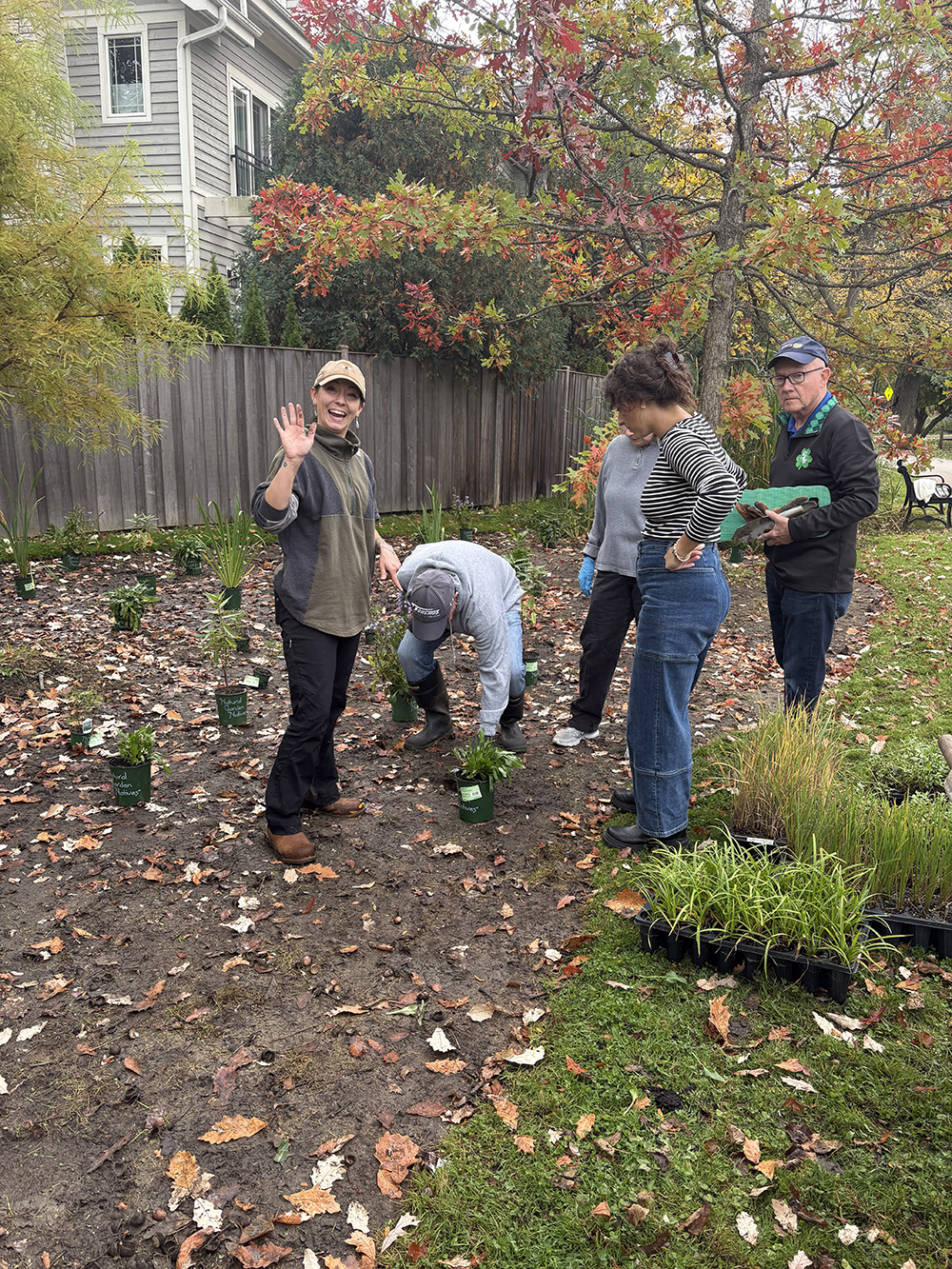
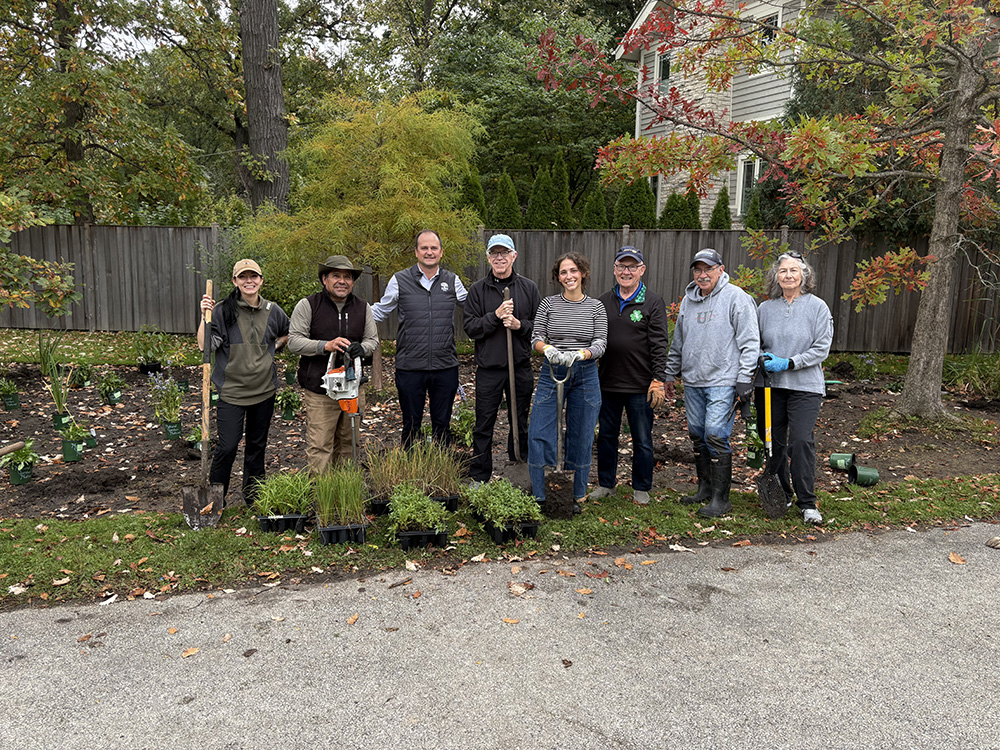
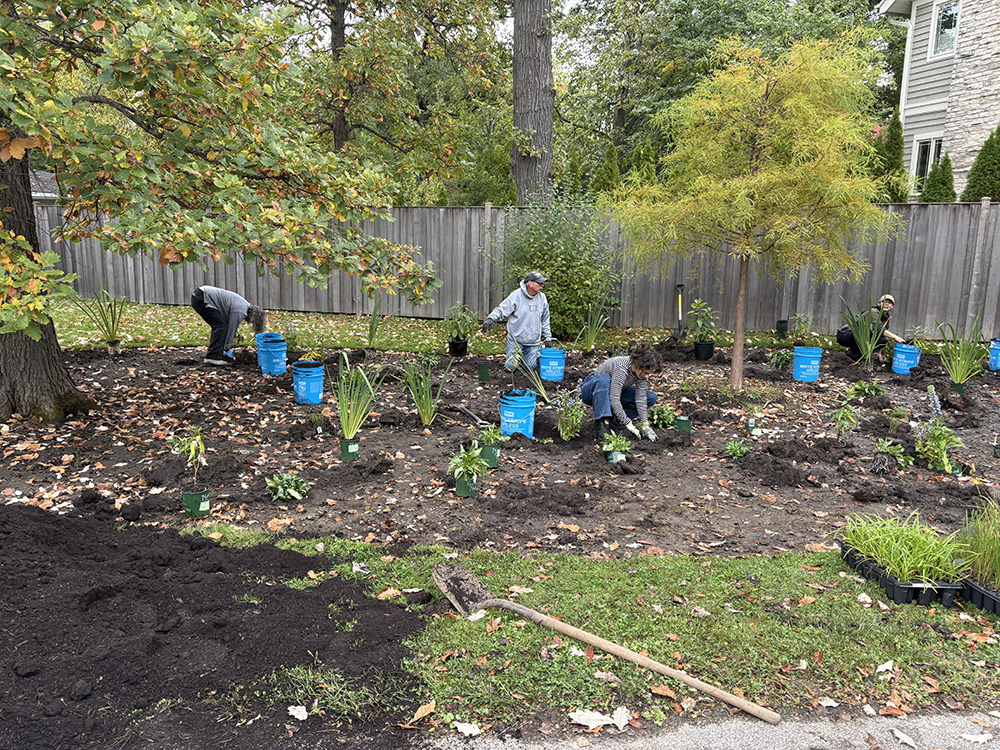
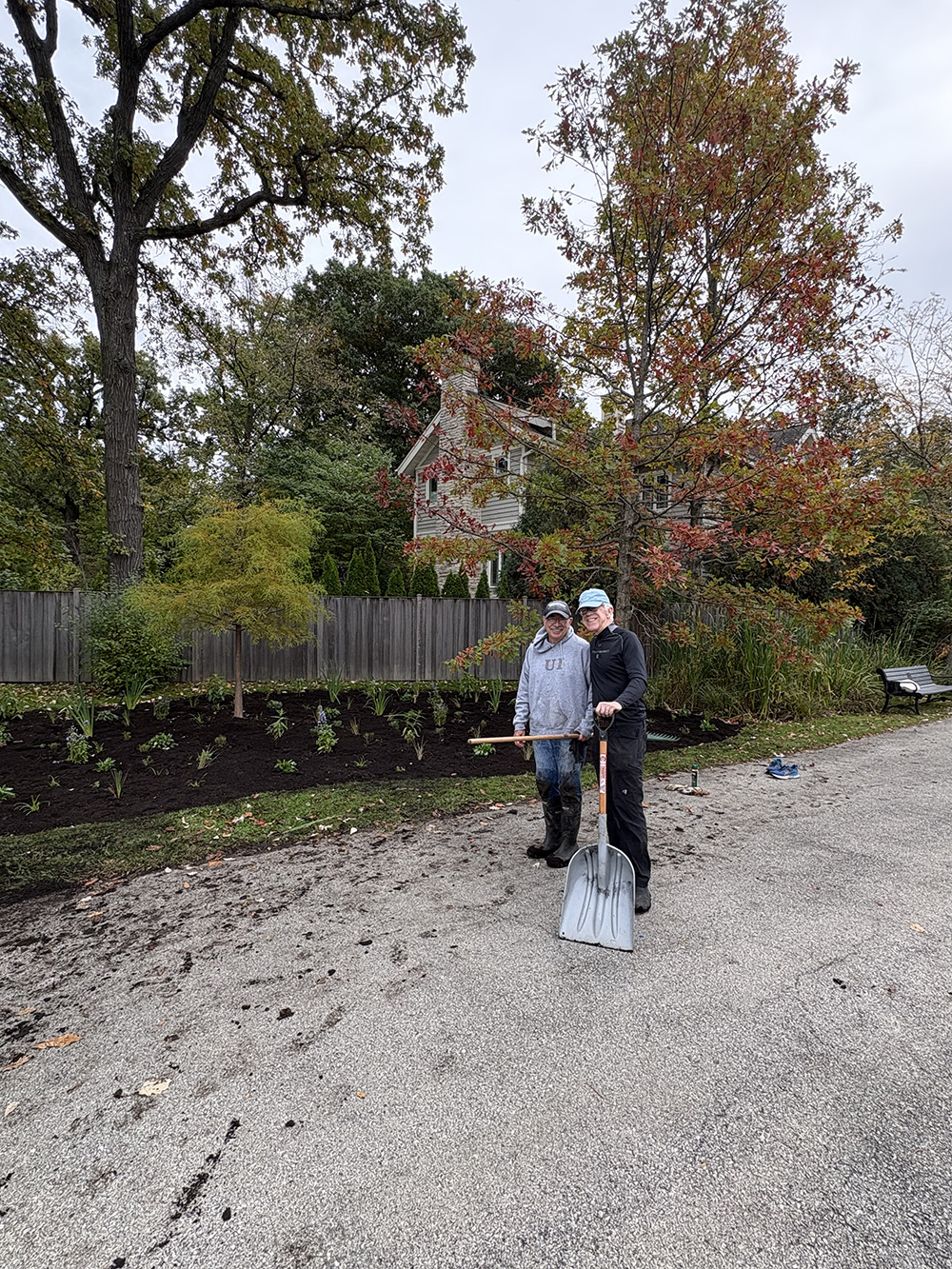
At Shorewood Park, a familiar drainage challenge is getting another solution rooted in the landscape. On Friday, October 9, the Wilmette Park District and members of the Rotary Club of Wilmette came together to plant an expansion of the Shorewood Rain Garden, building on earlier efforts to manage stormwater and improve the park’s grounds.
The project received a $4,500 grant from the Rotary Club of Wilmette, supporting additional plantings and interpretive signage planned for the site. The partnership brings together the Park District’s work to maintain welcoming, functional park spaces and Rotary’s commitment to supporting projects that benefit the local community.
Building on Earlier Improvements
Located along the Green Bay Trail, Shorewood Park offers a neighborhood space for play, picnics and time outdoors. But after significant rainfall, water could collect in lawns and play areas, creating drainage challenges for park visitors.
In 2023, the Park District installed two rain gardens to help address the problem. These gardens collect and temporarily hold rainwater, allowing it to filter through vegetation and porous soil before gradually soaking into the surrounding ground. The approach helps manage runoff while supporting a landscape that can thrive in wet conditions.
Despite the original rain gardens and other existing bioretention basins at the park, standing water remained a concern. Expanding the rain gardens was identified as another way to manage runoff that the existing systems did not capture.
A Community Partnership Takes Root
When the Rotary Club of Wilmette considered projects to support through its community grant funding, the Shorewood Rain Garden stood out for several reasons. The project addressed an ongoing local need, incorporated sustainable landscaping and offered a visible community benefit. It also gave Rotary members the opportunity to participate directly in the installation.
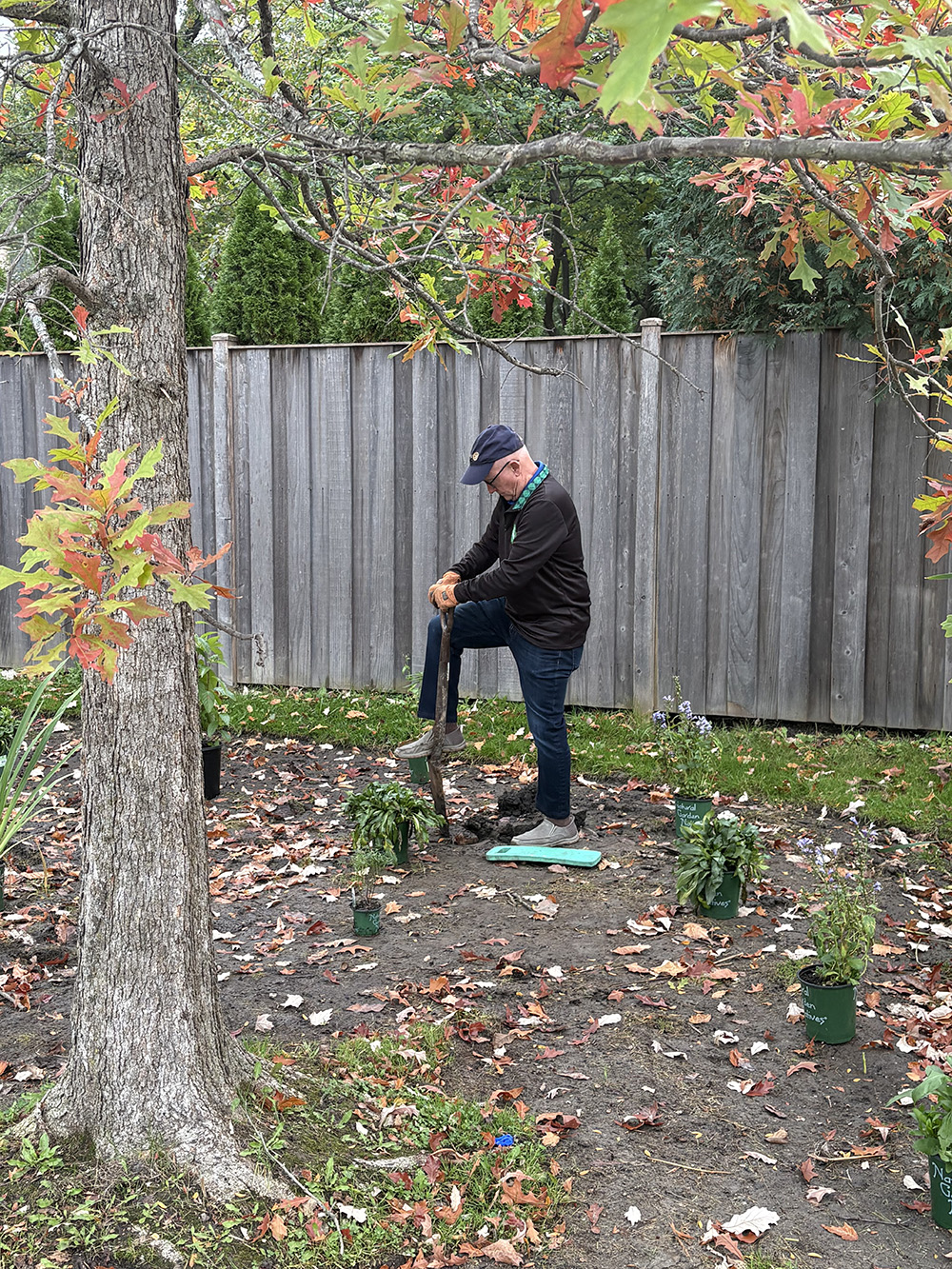
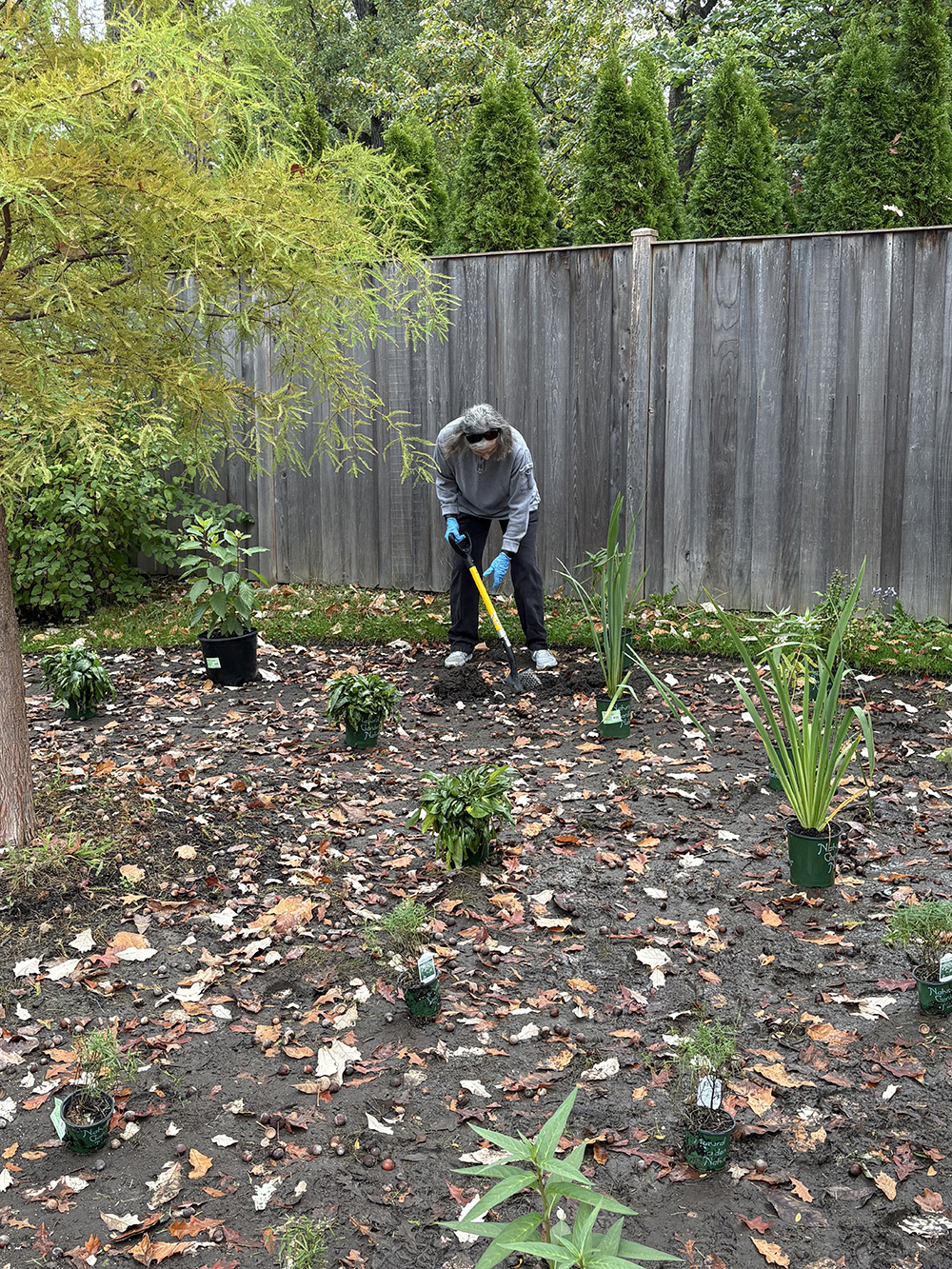
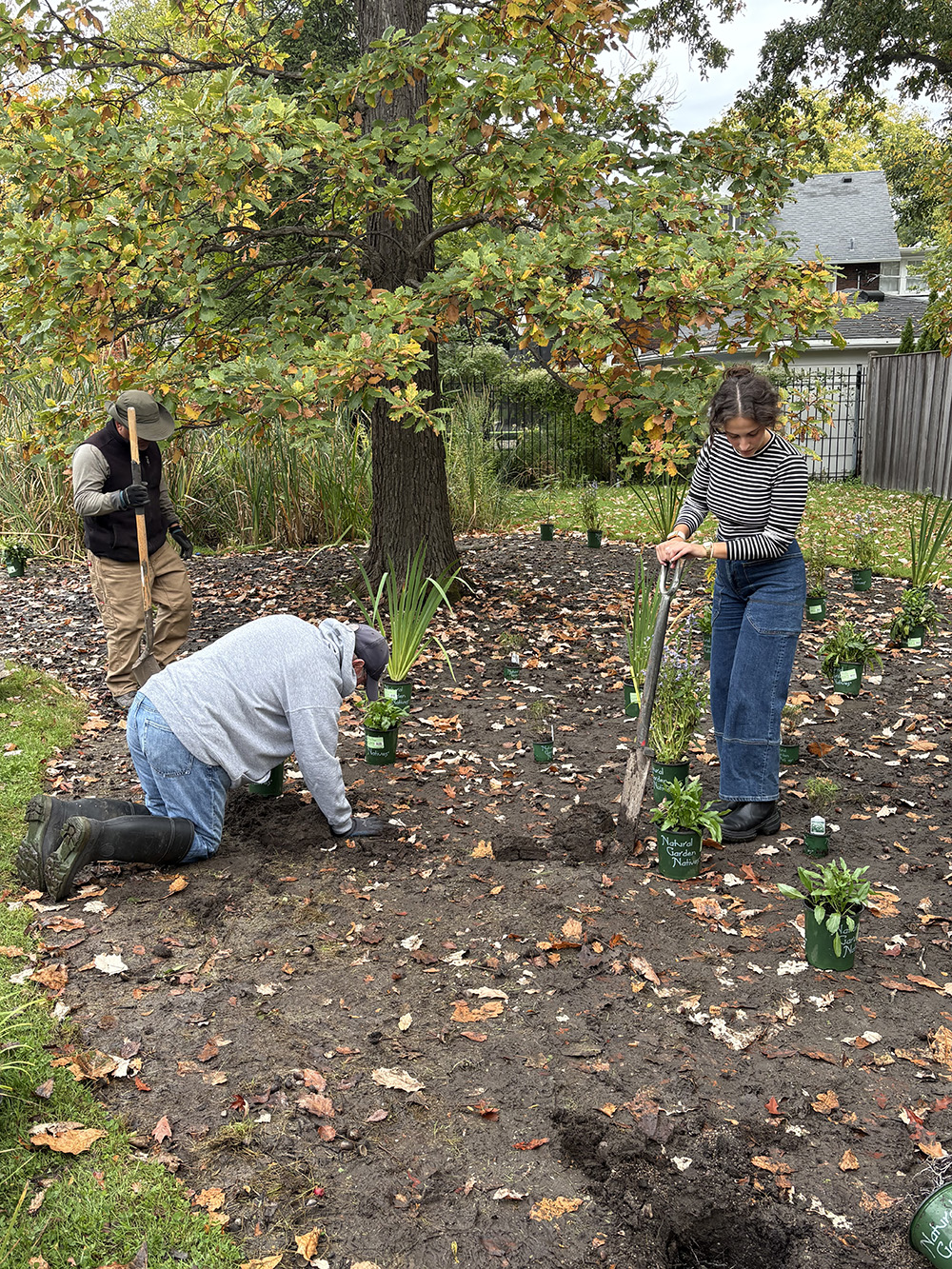
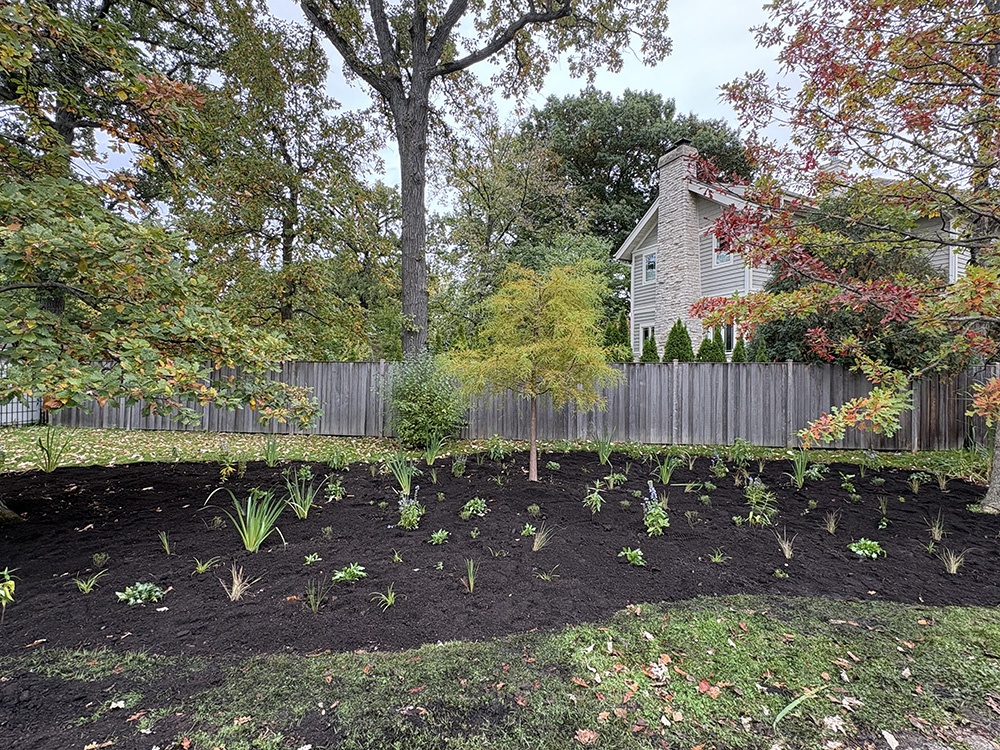
That support helped bring the expansion to life on October 9, when Rotary members joined Park District staff for the planting. The work added 14 species of plants, including native grasses, sedges, flowering perennials and shrubs.
Among the species planted were buttonbush, swamp milkweed, cardinal flower, dense blazing star and Indiangrass. Together, these plants add variety to the garden while supporting its role in managing water. Native plants suited to the site’s conditions can also provide food and habitat for birds, butterflies and other beneficial wildlife.
More Than a Garden
Rain gardens offer benefits beyond their appearance. When rain falls on hard surfaces such as rooftops, driveways and parking lots, water can pick up pollutants and carry them into storm drains. A rain garden helps intercept some of that runoff, allowing vegetation and soil to filter water as it infiltrates the ground.
At Shorewood Park, expanding the existing gardens provides additional space to manage stormwater while adding to the park’s natural landscape. The project is part of the Park District’s ongoing work to address drainage challenges and care for outdoor spaces that residents use throughout the year.
The project will also include interpretive signage, currently in production and expected to be installed in spring 2027. The signage will provide an opportunity to help park visitors learn more about the rain garden and its role in sustainable landscaping and stormwater management.
With the support of the Rotary Club of Wilmette, the Shorewood Rain Garden expansion builds on the work that began in 2023. It’s a practical improvement to a neighborhood park and an example of how local partnerships can help address community needs while supporting a healthier landscape.
Download PDF 
Save This Page as a PDF